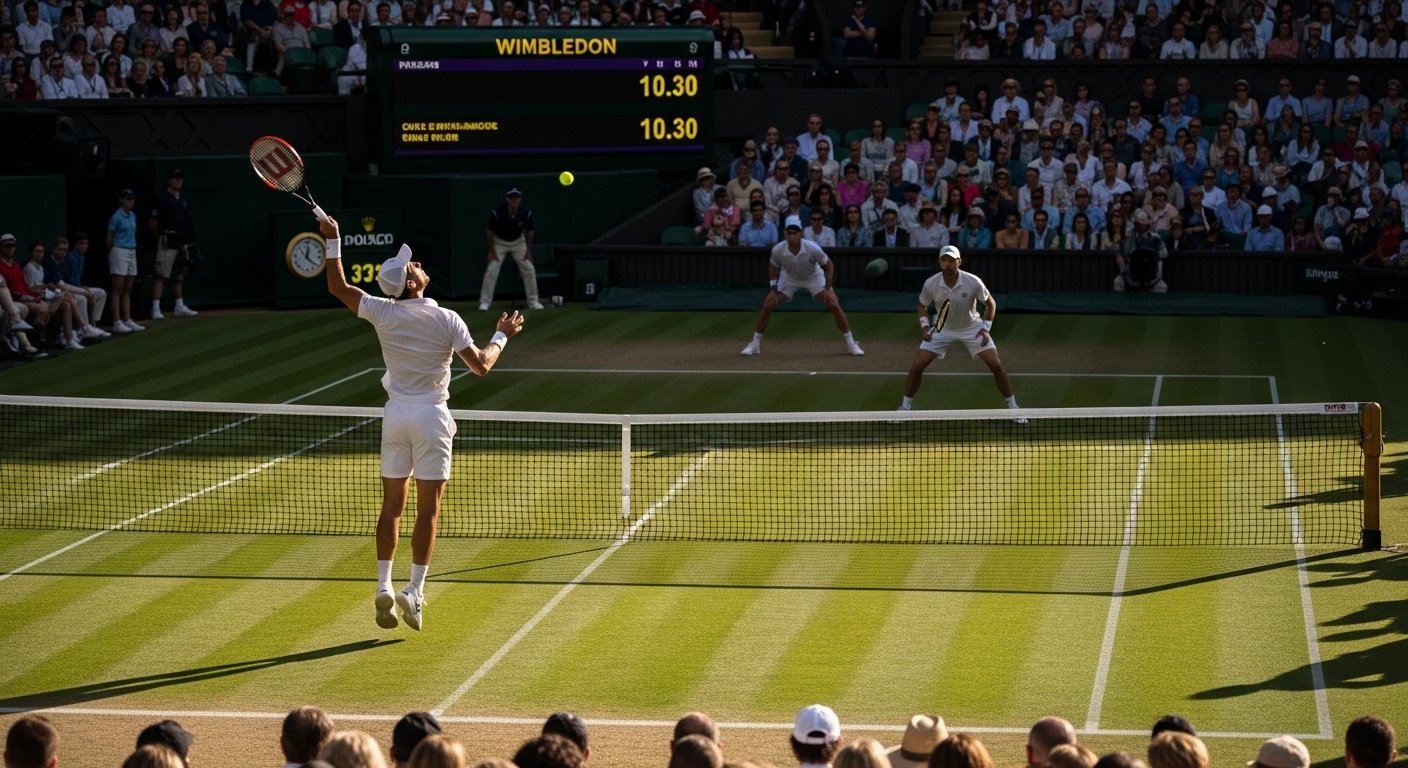
Tennis is a sport of precision, endurance, and mental fortitude. It’s a journey that begins with picking up a racquet and evolves into a lifelong pursuit of mastering the perfect serve, the sharpest volley, and the most resilient mindset. For young athletes and aspiring professionals, finding the right environment to nurture this growth is crucial. This is where cwtennis steps onto the court.
Located at the Los Cab Sports Village, this academy has carved out a reputation for transforming raw potential into refined skill. It isn’t just about hitting balls over a net; it is about understanding the biomechanics of movement, the psychology of competition, and the discipline required to succeed. Whether you are a parent looking for a supportive junior program or a competitive player seeking to elevate your game, understanding the philosophy behind a top-tier academy is the first step toward excellence.
In this deep dive, we will explore the training methodologies that define cwtennis, celebrate the achievements of its rising stars, and look at how a holistic approach to coaching creates not just better players, but stronger individuals.
Contents
- 1 The Philosophy of Pro Strokes: Training Techniques that Work
- 2 Highlighting Junior Achievements and Success Stories
- 3 Programs and Coaching at cwtennis
- 4 The Community and Training Environment
- 5 Actionable FAQs for Tennis Players
- 5.1 How often should a junior player train to see results?
- 5.2 What is the difference between “Red Ball” and regular tennis?
- 5.3 How do I choose the right racquet for my child?
- 5.4 Does the academy offer trial sessions?
- 5.5 What should players bring to their first lesson?
- 5.6 How does tennis help with character development?
- 5.7 Is it too late for an adult to start playing?
- 6 Elevate Your Game Today
- 7 Meta Data
The Philosophy of Pro Strokes: Training Techniques that Work
The difference between a casual player and a high-performance athlete often boils down to technique. At cwtennis, the coaching philosophy centers on “Pro Strokes”—a methodology designed to build a foundation that mimics the efficiency and power of professional players.
Biomechanics and Efficiency
Modern tennis has evolved. The game is faster, the spin is heavier, and the physical demands are greater than ever before. To keep up, players must utilize their bodies efficiently. The academy focuses heavily on biomechanics. Coaches break down strokes into their component parts: the kinetic chain, the point of contact, and the follow-through.
By teaching students to use their legs and core to generate power rather than relying solely on arm strength, cwtennis ensures that players can hit heavier balls with less risk of injury. This focus on efficiency allows juniors to train harder and longer without the burnout often associated with improper technique.
The Mental Game
Technique is the engine, but the mind is the steering wheel. A significant portion of the training curriculum is dedicated to mental toughness. Tennis is a solitary sport; there are no timeouts to consult a coach in the middle of a set. Players must learn to problem-solve in real-time.
Training sessions often include pressure drills that simulate match conditions. Players learn routines to reset after a lost point, visualization techniques to improve focus, and strategies to manage competitive anxiety. This holistic approach ensures that when a cwtennis player steps onto the court for a tournament, they are as mentally prepared as they are physically capable.
Customization Over Standardization
While there are fundamental principles of good tennis, every player is unique. Height, strength, playing style, and temperament all play a role in how a student should be coached. The academy avoids a “cookie-cutter” approach. Instead, coaches analyze each individual’s strengths and weaknesses.
A defensive baseline grinder needs a different tactical toolkit than an aggressive serve-and-volleyer. By tailoring technical adjustments to the individual, the academy maximizes a player’s natural potential rather than forcing them into a mold that doesn’t fit.
Highlighting Junior Achievements and Success Stories
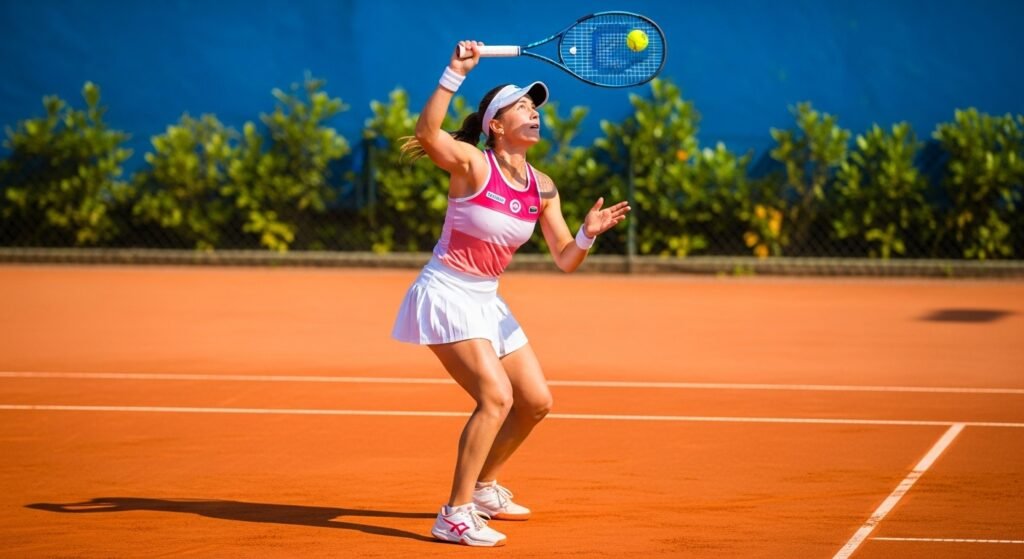
The proof of any academy’s success lies in the achievements of its students. Over the years, cwtennis has become a breeding ground for talent, producing players who compete at high levels in sectional and national tournaments.
From Local Courts to National Rankings
The journey often starts in the “Red Ball” clinics, where children as young as four or five develop hand-eye coordination. As these players progress through the Orange, Green, and Yellow ball stages, the intensity ramps up.
Many of the academy’s long-term students have successfully climbed the USTA rankings. These success stories aren’t accidents; they are the result of consistent, structured training. Seeing a player who started with a plastic racquet eventually earning a college scholarship is a common narrative here. These milestones serve as motivation for the younger generation of players currently hitting their first forehands at the facility.
College Placement and Beyond
For many junior players, the ultimate goal is college tennis. The recruitment landscape is competitive, requiring not just high rankings but also a demonstrable work ethic and sportsmanship. cwtennis plays an active role in this transition.
The coaching staff assists with the recruitment process, helping players create highlight reels, communicate with college coaches, and understand the expectations of collegiate athletics. The discipline learned on the courts at Los Cab translates well to academic life, making these athletes highly sought after by universities.
Programs and Coaching at cwtennis
To accommodate a wide range of ages and skill levels, the academy offers a tiered structure of programs. This ensures that every player, from the absolute beginner to the seasoned competitor, finds a group that challenges them appropriately.
Junior Development Program
The Junior Development Program is the heart of the academy. It is divided into specific stages:
- Future Stars (Ages 4-8): This stage focuses on fun and fundamentals. Coaches use modified equipment (smaller courts, lower nets, slower balls) to ensure success and build confidence. The goal is to make tennis fall in love with the sport.
- Challengers (Ages 9-12): As players grow, so does the court. Technical instruction becomes more specific. Players learn grip changes, spin control, and basic footwork patterns. Match play is introduced in a low-pressure environment.
- High Performance (Ages 13+): This is for the serious competitor. Training involves high-intensity drilling, fitness conditioning, and advanced strategy. Players in this group are typically competing in tournaments regularly.
Adult Clinics and Private Instruction
While the junior program often takes the spotlight, cwtennis offers robust options for adults. Whether you are a USTA league player looking to bump up your rating or a beginner wanting a great workout, there are clinics designed for you.
- Cardio Tennis: A high-energy fitness activity that combines the best features of the sport with cardiovascular exercise, delivering a full-body, calorie-burning aerobic workout.
- Doubles Strategy: For the league player, understanding court positioning and communication is key. These clinics focus on poaching, formations, and winning net play.
- Private Lessons: For those seeking rapid improvement, one-on-one coaching provides immediate feedback and personalized drills to fix technical flaws.
High-Performance Camps
During school breaks and summer months, the academy hosts intensive camps. These are immersive experiences where players spend hours on the court, followed by fitness sessions and mental training workshops. These camps are pivotal for players looking to make a significant jump in their level over a short period.
The Community and Training Environment
A tennis academy is more than just a collection of courts; it is a community. The environment at cwtennis fosters camaraderie and mutual respect.
A Culture of Excellence and Respect
Tennis etiquette and sportsmanship are emphasized just as much as a topspin backhand. Players are taught to respect their opponents, the officials, and the game itself. This culture creates a positive atmosphere where players support one another. It is common to see older, high-performance students hitting with younger, up-and-coming players, acting as mentors and role models.
World-Class Facilities at Los Cab
The setting plays a significant role in the quality of training. Located within the Los Cab Sports Village, the academy benefits from top-tier facilities. Well-maintained hard courts ensure consistent bounces, while lighting allows for evening training sessions.
Beyond the courts, the facility offers fitness amenities that are integrated into the training programs. Strength and conditioning are vital for injury prevention and power development, and having gym access on-site allows for a seamless transition from skills training to physical conditioning.
Parental Involvement
The academy views parents as partners in the development process. Regular communication ensures that parents understand the progression of their child and helps manage expectations. Workshops on “tennis parenting” help families navigate the often-stressful world of junior competition, ensuring that the car ride home after a match remains a positive experience.
Actionable FAQs for Tennis Players
We understand that navigating the world of tennis training can be complex. Here are answers to some of the most common questions asked by players and parents considering cwtennis.
How often should a junior player train to see results?
Consistency is key in tennis. For beginners (ages 5-8), one or two sessions a week is sufficient to learn the basics while keeping it fun. For intermediate players (ages 9-12), moving to two or three times a week helps solidify technique. High-performance players aiming for rankings or college scholarships often train four to five days a week, often combining group clinics with private lessons and fitness training.
What is the difference between “Red Ball” and regular tennis?
“Red Ball” tennis is played on a smaller court (36 feet long) with a slightly larger, slower ball that bounces lower. This adapts the game to the child’s size and motor skills. It allows young players to rally and play points immediately, rather than struggling to hit a heavy ball over a high net on a massive court. It accelerates learning by focusing on tactical play and technique without the physical limitations of the adult game.
How do I choose the right racquet for my child?
Choosing the right racquet depends on the child’s height and strength. A racquet that is too heavy or too long can cause injury and poor technique.
- Under 40 inches tall: 19-inch racquet.
- 40-44 inches: 21-inch racquet.
- 45-49 inches: 23-inch racquet.
- 50-55 inches: 25-inch racquet.
- 55+ inches: 26-inch racquet or a light adult frame (27 inches).
The coaches at the academy can provide specific recommendations based on your child’s physical build.
Does the academy offer trial sessions?
Yes, it is important to ensure the coaching style and environment are a good fit. Most programs offer an evaluation session where coaches can assess the player’s level and recommend the appropriate group. Contact the front desk to schedule an assessment.
What should players bring to their first lesson?
Players should wear comfortable athletic clothing (preferably with pockets for holding balls) and non-marking tennis shoes. Running shoes are discouraged as they lack the lateral support needed for tennis movements and can cause ankle rolls. Bring a racquet, a water bottle, a towel, and sunscreen. If you do not have a racquet yet, the academy may have loaners available for the first session.
How does tennis help with character development?
Tennis is an individual sport that requires self-reliance. Players learn accountability because there are no teammates to hide behind during a singles match. They learn integrity by making their own line calls. They learn resilience by dealing with losses and setbacks. These character traits—discipline, honesty, and perseverance—translate directly to academic and professional success later in life.
Is it too late for an adult to start playing?
It is never too late. Tennis is a “sport for a lifetime.” Adults can learn the basics relatively quickly and begin playing recreational matches. The academy’s adult beginner clinics focus on the essential strokes and scoring, getting you ready for social play in a matter of weeks. It is also an excellent way to stay fit and meet new people in the community.
Elevate Your Game Today
Tennis is a complex, beautiful, and demanding sport. Navigating the path from beginner to advanced player requires guidance, structure, and a supportive environment. cwtennis provides exactly that. By combining biomechanically sound technical instruction with mental conditioning and physical fitness, the academy prepares players for success on and off the court.
The stories of junior achievers rising through the ranks serve as a testament to the effectiveness of the program. However, the true success lies in the daily improvements—the sharper serve, the faster footwork, and the growing confidence of every student who steps onto the hard courts at Los Cab.
Whether you are looking to nurture a young champion or simply want to rediscover your love for the game, the doors are open. Excellence is a habit, and it is one that is practiced every day here.
Meta Data
Meta Title
cwtennis Academy: Pro Training & Junior Success Stories
Meta Description
Discover how cwtennis transforms junior players with pro-level stroke training and mental conditioning. Join a community of excellence at Los Cab.