Contents
- 1 Introduction
- 2 What Was the Doge HHS Migrant Housing Contract?
- 3 How Did the Contract Come About?
- 4 Why Did the Facility Remain Empty?
- 5 The Financial Toll on Taxpayers
- 6 Political Reactions and Controversy
- 7 Human Impact: Migrants Caught in the Middle
- 8 Lessons Learned from the Doge HHS Migrant Housing Contract
- 9 Broader Implications for U.S. Immigration Policy
- 10 FAQs
- 10.1 1. What is the Doge HHS Migrant Housing Contract?
- 10.2 2. Why was the Doge HHS Migrant Housing Contract controversial?
- 10.3 3. How much did the Doge HHS Migrant Housing Contract cost taxpayers?
- 10.4 4. Where was the facility for the Doge HHS Migrant Housing Contract located?
- 10.5 5. What lessons were learned from the Doge HHS Migrant Housing Contract?
- 11 Conclusion
Introduction
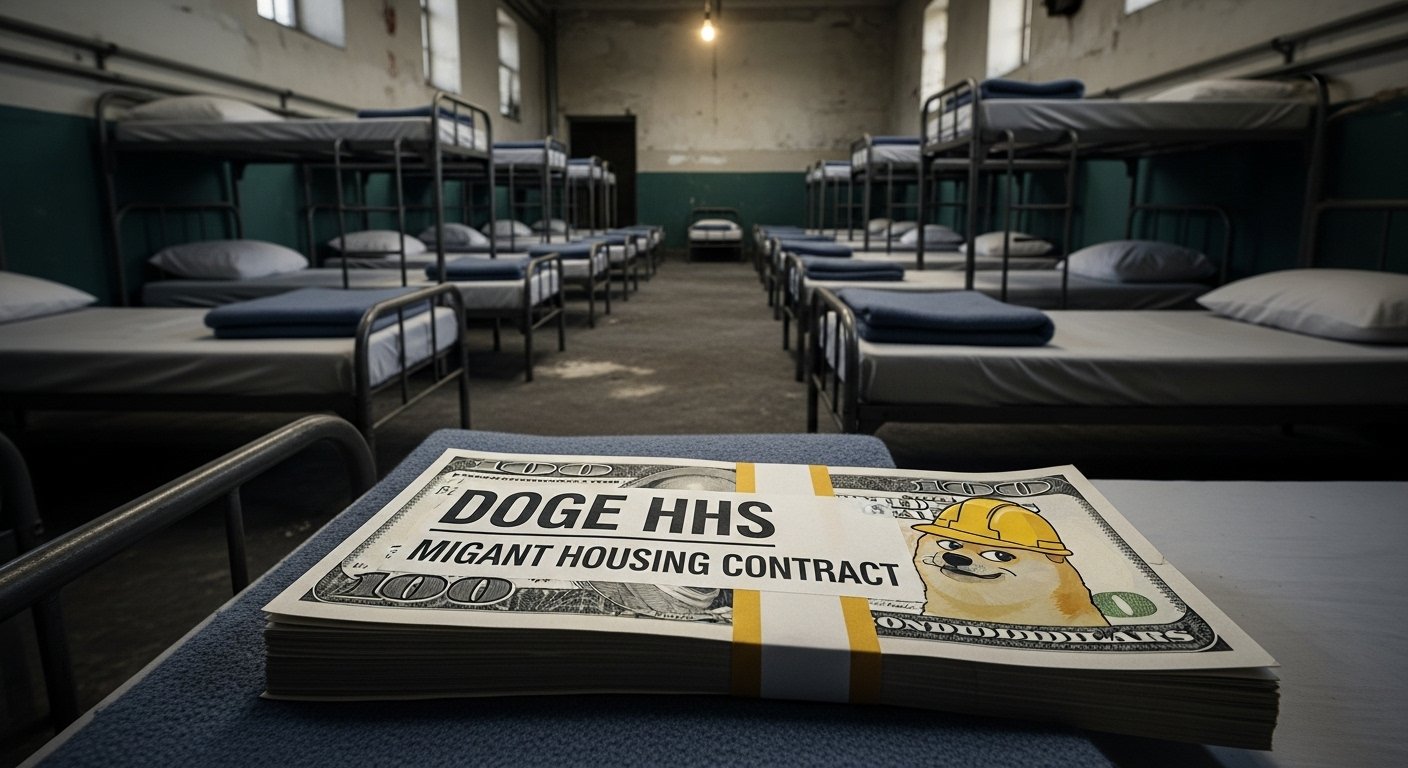
In recent years, U.S. immigration policies and border management strategies have come under sharp scrutiny. Among the most debated cases is the doge hhs migrant housing contract, a government deal that quickly became a symbol of financial mismanagement and questionable oversight. At its core, the contract involved paying millions of taxpayer dollars every month for migrant housing facilities that remained largely empty.
This article takes a deep dive into the hidden story—exploring the background, financial implications, political debates, and human consequences of the contract. We’ll unpack how the deal was structured, why it became controversial, and what lessons can be drawn for future government spending.
What Was the Doge HHS Migrant Housing Contract?
The Department of Health and Human Services (HHS) and private service providers entered into an agreement known as the “Doe HHS migrant housing contract,” which assigned the latter to run housing facilities for unaccompanied migrants. children and asylum seekers.
Key Details of the Contract
- Purpose: To provide emergency housing in case of a surge at the U.S.–Mexico border.
- Cost: Reports indicate the government spent nearly $18 million per month.
- Facility: A sizable shelter with space for thousands of people in Pecos, Texas.
Outcome: Despite the huge expense, the facility often sat mostly unused—leading critics to call it a “ghost shelter.”
The contract was justified as a preparedness measure, but it quickly drew backlash due to the mismatch between high costs and low utilization.
How Did the Contract Come About?
To understand the doge hhs migrant housing contract, we need to look back at U.S. border policy during the late 2010s and early 2020s. Surges of migrant arrivals—particularly unaccompanied minors—placed immense pressure on shelters and temporary facilities.
Timeline of Events
- Surge Periods: Between 2019–2021, the U.S. saw a sharp rise in migrant families and children arriving at the southern border.
- Emergency Response: To prevent overcrowding in Border Patrol stations, HHS expanded its shelter network.
- Contract Awarded: In this climate of urgency, the doge hhs migrant housing contract was signed, allocating massive funds for a facility that could quickly scale up if needed.
While the intention was rooted in humanitarian readiness, execution fell short, leaving an expensive facility largely idle.
Why Did the Facility Remain Empty?
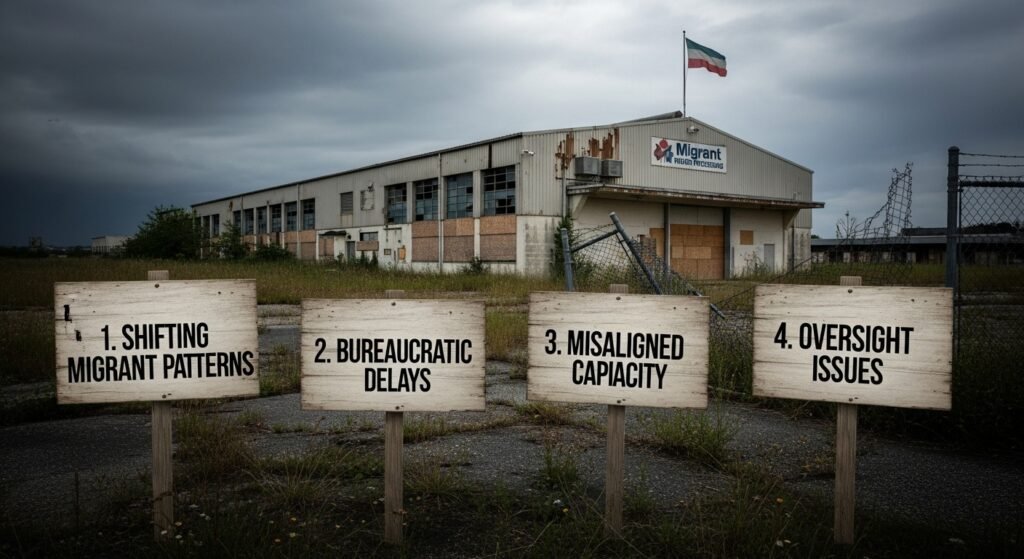
Several factors contributed to the underutilization of the facility funded by the doge hhs migrant housing contract:
1. Shifting Migrant Patterns
Migration is unpredictable. By the time the shelter was ready, border crossings had slowed temporarily, leaving fewer children to house.
2. Bureaucratic Delays
Administrative red tape slowed the process of referrals. Even when beds were available, government processes kept them from being filled efficiently.
3. Misaligned Capacity
The facility was built to accommodate thousands, but smaller, community-based shelters often proved more effective.
4. Oversight Issues
Critics argue HHS lacked strong oversight, allowing millions to flow into a facility that wasn’t being monitored for cost-effectiveness.
The Financial Toll on Taxpayers
The most glaring issue with the doge hhs migrant housing contract was its staggering cost.
- $18 million/month in operating expenses.
- Roughly $600,000/day, regardless of occupancy.
- Over the course of a year, the government could have spent more than $200 million.
Opportunity Costs
That money could have been allocated to:
- Expanding community programs for asylum seekers.
- Improving legal processing times.
- Enhancing border management technology.
Instead, taxpayers funded an empty shelter, fueling public outrage and political debate.
Political Reactions and Controversy
The contract became a flashpoint in U.S. politics.
Criticism from Lawmakers
- Fiscal conservatives called it an example of reckless spending.
- Immigration advocates argued it reflected poor planning that didn’t actually improve humanitarian outcomes.
Media Coverage
Major outlets referred to it as a “ghost town facility”, amplifying public frustration. The phrase “empty beds, full bills” perfectly summarized the situation.
Government Defense
Officials claimed the shelter was necessary as a backup option, emphasizing preparedness over cost-efficiency. Still, this explanation did little to calm critics.
Human Impact: Migrants Caught in the Middle
While financial waste grabbed headlines, it’s important to remember the humanitarian side of the doge hhs migrant housing contract.
- Migrant children continued to face delays in placement.
- Families remained separated due to capacity mismanagement.
- The Pecos shelter remained empty while smaller facilities took the strain.
In short, the contract failed both taxpayers and migrants.
Lessons Learned from the Doge HHS Migrant Housing Contract

This case provides several takeaways for future policymaking:
- Flexible Planning: Large, centralized facilities may not always be the best solution. Smaller, adaptable housing networks could be more effective.
- Accountability: Stronger oversight mechanisms are needed to prevent runaway spending.
- Transparency: Clear reporting to the public can help rebuild trust in government spending.
- Human-Centered Policy: Any migrant housing plan should prioritize the dignity and well-being of individuals, not just logistics.
Broader Implications for U.S. Immigration Policy
The story of the doge hhs migrant housing contract highlights the challenges of balancing preparedness, humanitarian obligations, and fiscal responsibility.
- It shows how reactionary contracts often lead to inefficiencies.
- It reflects the ongoing struggle of U.S. immigration agencies to adapt to fluctuating migrant flows.
- It raises questions about how to responsibly use taxpayer money in addressing border challenges.
FAQs
1. What is the Doge HHS Migrant Housing Contract?
The doge hhs migrant housing contract was a government deal to fund emergency migrant housing facilities. Despite costing millions monthly, the facility often remained empty, sparking controversy.
2. Why was the Doge HHS Migrant Housing Contract controversial?
It became controversial due to its high cost and low utilization. Taxpayers funded an expensive facility that was barely used, leading to accusations of waste and poor planning.
3. How much did the Doge HHS Migrant Housing Contract cost taxpayers?
Reports estimate it cost $18 million per month, totaling hundreds of millions annually—even when the facility sat empty.
4. Where was the facility for the Doge HHS Migrant Housing Contract located?
The main facility under this contract was located in Pecos, Texas, a large shelter designed to house thousands of migrant children.
5. What lessons were learned from the Doge HHS Migrant Housing Contract?
Key lessons include the need for flexible planning, better oversight, and transparency. The contract showed the risks of large-scale spending without adaptable strategies.
Conclusion
The saga of the doge hhs migrant housing contract stands as a cautionary tale of government spending gone wrong. While intended as a safety net for migrant housing, it ended up becoming a costly reminder of the dangers of misaligned planning.
Taxpayers bore the burden of empty beds with full bills, while migrants continued to face housing shortages elsewhere. Moving forward, the U.S. must adopt smarter, more adaptable strategies to ensure that humanitarian needs are met without financial waste.
The hidden story of this contract isn’t just about numbers—it’s about accountability, responsibility, and the importance of aligning policies with both human dignity and fiscal discipline.