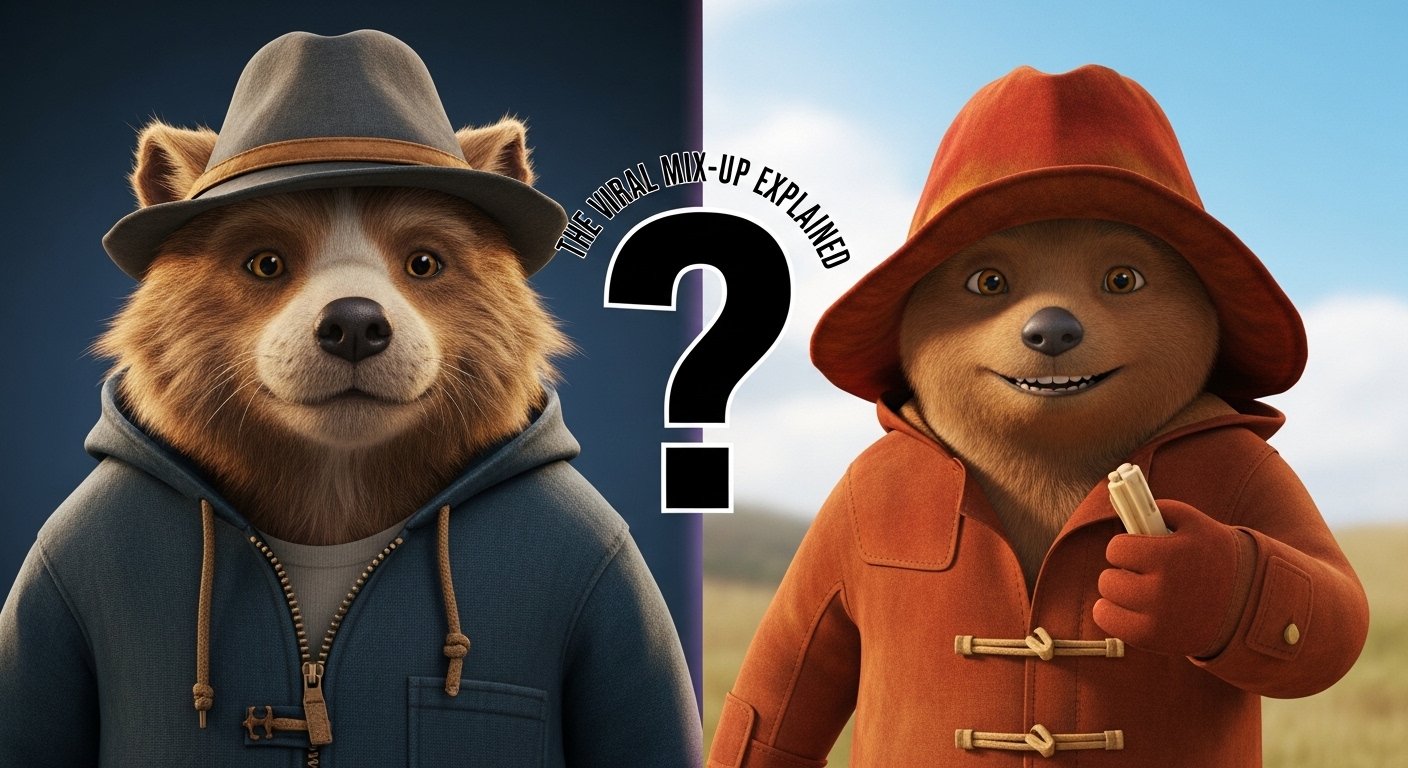
You might be scrolling through your favorite social media app when you notice something strange. A familiar, marmalade-loving bear flashes across your screen, but the caption does not say what you expect. Instead of the classic name we all know and love, you see the word Pabington.
Confusion sets in. Did you read that right? Is this a new character, a strange brand collaboration, or just a massive internet joke you somehow missed?
You are not alone in this confusion. Millions of users have found themselves scratching their heads over this exact phenomenon. What started as a likely keyboard slip has blossomed into a full-blown internet mystery, complete with fake travel destinations and viral video edits.
This guide breaks down exactly how this hilarious digital mix-up happened. We will explore the origins of the original bear, the birth of a viral typo, and why the internet loves to turn simple mistakes into massive cultural moments.
Contents
- 1 The Origins of a Beloved Bear
- 2 Enter Pabington: How a Simple Typo Broke the Internet
- 3 The “Hidden Gem” Destination Phenomenon
- 4 What Exactly is the Difference?
- 5 Marketing Lessons from the Viral Trend
- 6 The Psychology of the Internet Typo
- 7 The Role of Pop Culture in Shaping Language
- 8 Navigating Modern Social Media Culture
- 9 Frequently Asked Questions (FAQs)
- 10 Wrapping Up the Viral Mystery
The Origins of a Beloved Bear
Before we can understand the viral mix-up, we have to look at the baseline of the joke. The original bear from Peru is a global icon. He wears a blue duffle coat, sports a floppy red hat, and carries a battered suitcase.
Generations of readers grew up following his adventures in London. He is polite, well-meaning, and constantly finds himself in absurd situations. This character represents comfort and nostalgia for millions of people worldwide.
A Brief History of Michael Bond’s Creation
Author Michael Bond created this iconic character back in 1958. Legend has it that Bond saw a lonely teddy bear on a shelf in a London store near a famous railway station. He bought it for his wife, and that simple purchase sparked a literary empire.
The stories focus on themes of acceptance, kindness, and finding a home in an unfamiliar place. These universal messages helped the books sell millions of copies across the globe. The character became a staple of British culture, eventually sitting alongside the Queen for tea during her Platinum Jubilee.
Cinematic Success and Pop Culture Dominance
The recent live-action movies took this classic character to new heights of popularity. The films combine stunning animation with incredible heartwarming writing. They became critical darlings and massive box office hits.
Because of these films, a whole new generation of fans fell in love with the polite little bear. Internet culture fully embraced him. Movie clips became popular reaction videos. Quotes about finding the good in people spread across Twitter and Instagram. The character was already perfectly primed for internet virality before the mix-up even happened.
Enter Pabington: How a Simple Typo Broke the Internet
So, how do we get from a cherished literary icon to a bizarre internet trend? The answer lies in the fast-paced, often chaotic nature of digital communication. The birth of Pabington was almost certainly an accident.
Smartphones have small keyboards. Thumbs move quickly. Autocorrect sometimes makes terrible decisions. When you combine these factors with the speed at which people post on platforms like TikTok, typos are inevitable.
The Anatomy of a Viral Mistake
Normally, a misspelled word just gets ignored. Someone types a word wrong, their friends might laugh, and the internet moves on. But this specific typo had a perfect storm of elements working in its favor.
First, the misspelled name sounds funny. It has a slightly ridiculous, clumsy ring to it. Second, it happened on platforms driven by visual content. Users took the funny spelling and paired it with out-of-context clips of the bear looking confused or chaotic.
The contrast between the refined, polite character we know and this goofy, misspelled alter ego created instant comedy. People started using the term intentionally. A typo transformed into a deliberate punchline.
TikTok and the Spread of the Joke
TikTok operates on a unique algorithm. When a specific sound, hashtag, or joke gains a tiny bit of traction, the app pushes it to a massive audience. Creators noticed that using this misspelled name got them views and engagement.
Soon, the hashtag started trending. Video editors began creating “fan-cams” for Pabington, treating the typo as if it were a completely different, slightly chaotic version of the original character. Comment sections filled up with people pretending this was a real, distinct entity.
The “Hidden Gem” Destination Phenomenon
The internet never stops at just one joke. As the name spread, the meme evolved into something entirely new and incredibly creative. People decided that Pabington was not just a misspelled bear, but a real physical location.
Search engines started picking up weird signals. If you searched for the term, you might stumble upon blogs or forum posts claiming it was a fantastic, quiet tourist spot.
Creating Fictional Lore
Internet users love collaborative storytelling. They began describing this fake town in great detail. They claimed it was a hidden gem, completely free from the massive crowds of typical tourist traps.
Travel influencers occasionally leaned into the joke, posting videos of obscure countryside towns and tagging them with the viral name. They praised the lack of noisy resorts and highlighted the “authentic experience” of visiting this completely made-up place.
The Power of Search Intent and Satire
This evolution highlights how strange search engine optimization can become. Because people were searching for the funny typo, websites started writing satirical articles about it.
They treated the location as a genuine travel destination. This created a feedback loop. People saw the viral name on TikTok, Googled it, found fake travel guides, and became even more confused. It is a masterclass in how internet communities can manifest something out of thin air just for a laugh.
What Exactly is the Difference?
If you are trying to explain this trend to a friend, you need to understand the distinct personalities the internet has assigned to these names. It is no longer just a spelling mistake.
Character Identity vs. Internet Meme
The original bear is pure, wholesome, and always tries to do the right thing. He represents optimism. He is the character you watch when you need a comforting, feel-good movie.
Pabington, on the other hand, belongs to meme culture. This alter ego represents the slightly unhinged, chaotic energy of the internet. If the original bear is baking bread and helping his neighbors, his viral counterpart is probably poorly photoshopped into a completely absurd scenario.
Why We Love Digital Alter Egos
Creating bizarre alter egos for popular characters is a long-standing internet tradition. It allows fans to interact with properties they love in a subversive way.
By using the misspelled name, fans can make jokes that would feel out of place for the actual, wholesome brand. It creates a sandbox for absurd humor without actually disrespecting the original source material. It is a sign of affection, filtered through a thick layer of digital irony.
Marketing Lessons from the Viral Trend
Brands and digital marketers watch these trends very closely. A spontaneous viral moment offers massive insights into how modern audiences consume and share content. There are real business lessons hiding inside this silly joke.
Embracing User-Generated Content
The smartest thing a brand can do when a harmless meme takes off is let the community have fun. Trying to issue corrections or stop people from using the funny name usually backfires.
When users feel ownership over an inside joke, their engagement skyrockets. They do free marketing for the underlying brand. Every time someone makes a joke about Pabington, they are inadvertently reminding thousands of people about the upcoming movie releases and the original character.
The SEO Impact of Misspellings
Search engine professionals know that misspellings are a huge source of web traffic. People type things incorrectly all the time.
Savvy website owners realized that ranking for this viral mistake was a great way to capture traffic. By writing articles explaining the joke or leaning into the fictional travel destination angle, they captured a highly engaged, curious audience. It proves that understanding user intent is more important than perfect spelling.
The Psychology of the Internet Typo
Why do these specific mistakes become so culturally relevant? It comes down to human psychology and the way we build communities online.
Community Building Through Humor
Being part of an inside joke feels good. When you understand why a misspelled word is funny, you feel like you belong to a specific digital club.
The absurdity of the joke acts as a filter. If you take things too seriously, you will just be annoyed by the bad spelling. If you have a sense of humor, you get to participate in a massive, collaborative piece of digital performance art. It connects strangers across the globe through a shared moment of silliness.
The Lifespan of Viral Confusion
Most internet jokes burn bright and fade quickly. This particular trend lasted longer than expected because of the upcoming movie releases. As promotional material for new films hits the internet, users find fresh opportunities to bring the typo back into the conversation.
Eventually, the joke will run its course. The internet will find a new typo to obsess over. But the mechanics of how this happened will remain exactly the same.
The Role of Pop Culture in Shaping Language
Language is constantly evolving. The digital age has accelerated this process rapidly. A word that did not exist a year ago can become a recognized term overnight.
While this specific viral name might not end up in the dictionary, it proves how flexible our communication has become. We use incorrect words intentionally to convey tone, sarcasm, and humor. The spelling itself becomes the punchline.
How Algorithms Dictate Trends
We cannot ignore the role algorithms play in this story. Social media platforms are designed to maximize engagement. They do not care if a word is spelled correctly; they care if people are looking at it.
When an algorithm notices that users are lingering on videos featuring a specific typo, it distributes that content wider. The machine learning systems essentially learn that this weird, made-up word is valuable. The algorithm actively helps build the meme.
If you find yourself frequently confused by trends like this, do not worry. The internet moves at a breakneck pace. No one can keep up with every single inside joke or viral moment.
The best approach is to maintain a sense of curiosity. When you see something strange, look it up. More often than not, you will find a highly amusing story of digital chaos behind it.
Finding Joy in the Absurd
The world can be a very serious place. News feeds are often filled with stressful information. These viral moments provide a necessary release valve for social media users.
Laughing at a poorly typed bear name or reading a fake review of a fictional town is a harmless way to decompress. It reminds us that behind all the screens and algorithms, there are millions of human beings just trying to make each other laugh.
Frequently Asked Questions (FAQs)
What is Pabington?
It is a viral internet meme born from a spelling mistake of the famous fictional bear, Paddington. The typo gained massive popularity on platforms like TikTok, where users turned it into an inside joke. Fans use the term to describe a chaotic, slightly absurd alter ego of the classic polite character.
Is Pabington a real place?
No, it is not a real place. As the meme grew, internet users collaboratively created a fictional lore around the name. They started writing satirical reviews and blog posts claiming it was a quiet, “hidden gem” travel destination to confuse search engines and people trying to understand the joke.
Why is TikTok talking about this trend so much?
TikTok relies heavily on visual humor and trending audio. When the misspelled name first appeared, creators paired it with funny edits and out-of-context clips of the classic bear. The TikTok algorithm rewarded this high engagement, pushing the joke onto millions of “For You” pages and cementing its viral status.
When does the new Paddington movie come out?
The upcoming film, titled Paddington in Peru, is currently slated to hit theaters on January 17. The release of official trailers and promotional material for this movie is a major reason why the viral spelling mistake resurfaced and gained so much traction online recently.
Did the creators change the bear’s name?
No. The character’s official name remains the same as it has been since Michael Bond created him in 1958. The viral misspelling is entirely fan-created and has no official connection to the books, movies, or the brand itself.
Wrapping Up the Viral Mystery
The internet has a unique talent for turning the mundane into the extraordinary. What began as a simple slip of the finger on a smartphone keyboard transformed into a global inside joke.
Understanding the Pabington phenomenon is a crash course in modern digital culture. It shows us how algorithms amplify mistakes, how communities bond over shared absurdity, and how even the most beloved, traditional characters can get swept up in the chaotic tide of internet humor.
Next time you see a confusing trend on your timeline, take a moment to look a little closer. You might just uncover a hilarious story of collective creativity. And if you ever find yourself booking a ticket to a hidden gem destination with a suspiciously bear-like name, make sure you pack a marmalade sandwich, just in case.